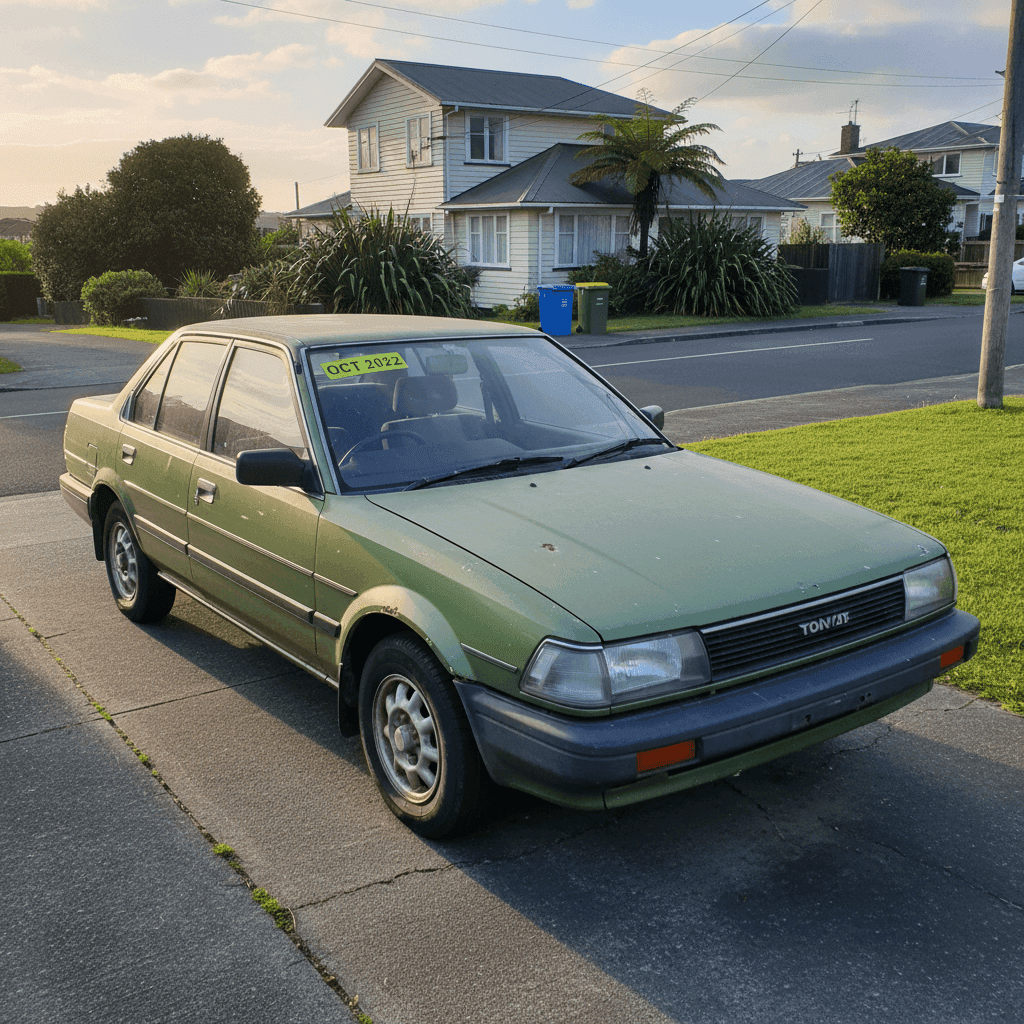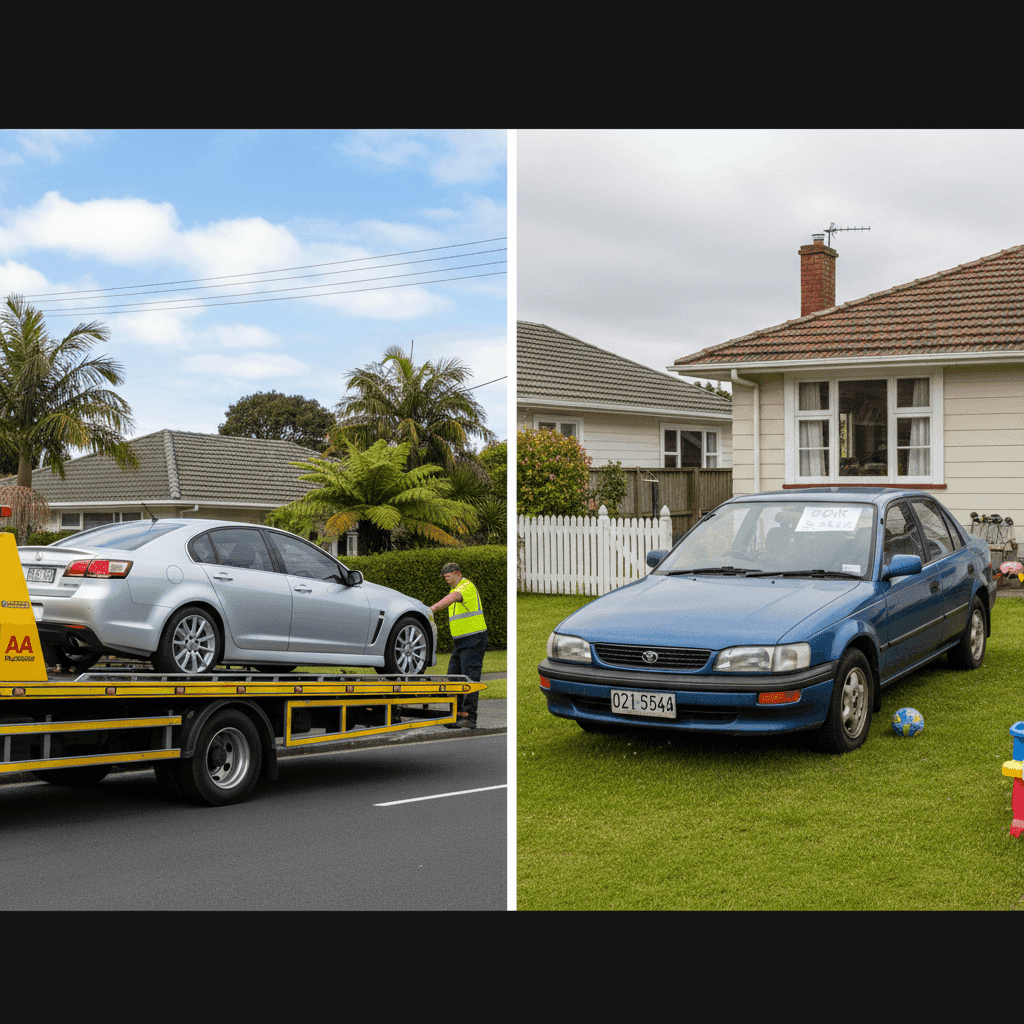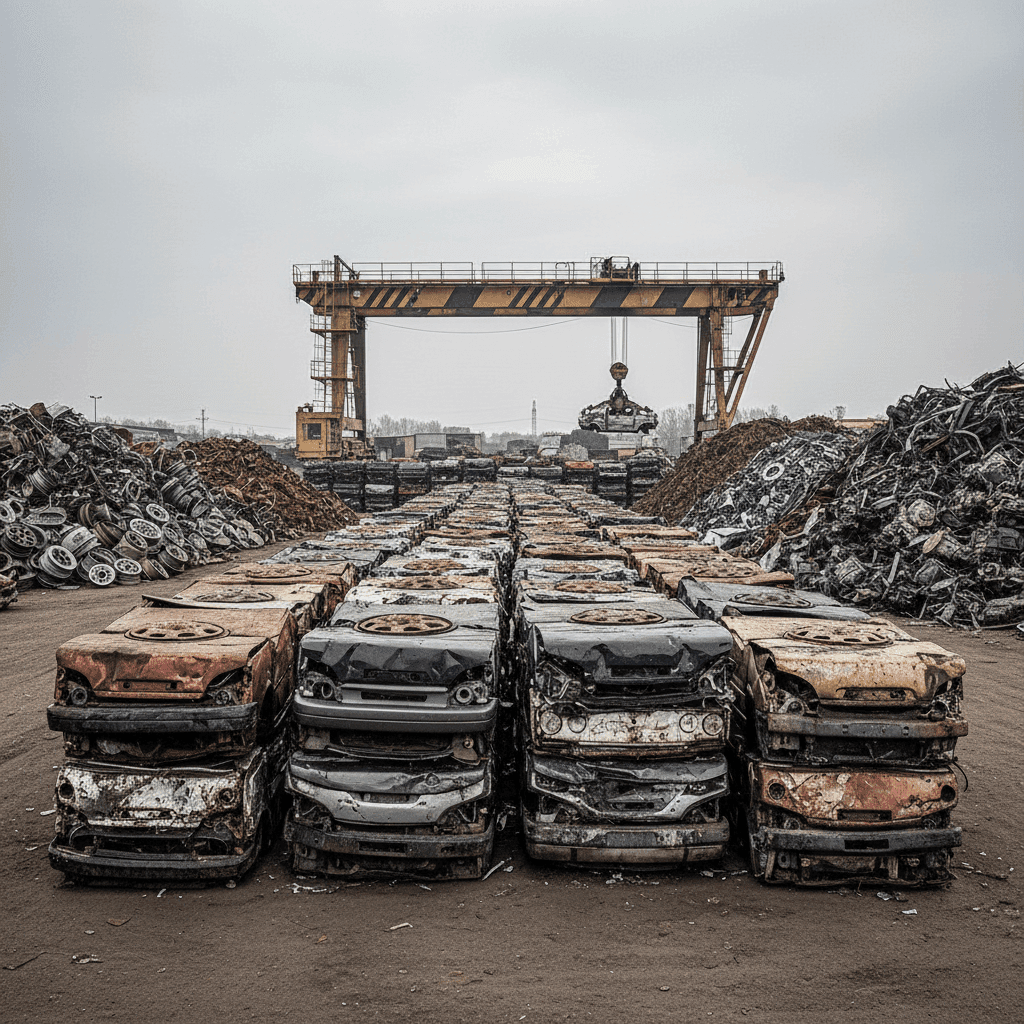
When you sell your car to a scrap buyer, you get cash and a free ride home (metaphorically — your car gets towed away). But what actually happens to the vehicle after it leaves your driveway? The process is more involved than most people think, and it's surprisingly good for the environment.
Step 1: Depollution (Fluid Draining)
The first thing that happens at the yard is depollution. This is the most environmentally critical step. Every vehicle contains hazardous fluids that must be safely removed before anything else happens:
- Engine oil — Drained and sent for re-refining or used as industrial fuel
- Coolant/antifreeze — Collected and processed through approved disposal channels
- Brake fluid — Removed and disposed of as hazardous waste
- Transmission fluid — Drained and recycled where possible
- Fuel — Siphoned out and reused or disposed of safely
- Air conditioning refrigerant — Recovered to prevent ozone damage
In New Zealand, licensed auto recyclers must follow strict environmental regulations for depollution. This is one reason to use a proper scrap car service rather than dumping a vehicle illegally — you're ensuring hazardous materials are handled correctly.
Step 2: Parts Removal
Once the vehicle is depolluted, usable parts are removed and catalogued. Common parts that get a second life include:
- Engines and transmissions (if still functional)
- Alternators, starters, and other electrical components
- Body panels, doors, and bumpers
- Wheels and tyres (if roadworthy)
- Seats, mirrors, and interior trim
- Headlights and tail lights
These parts are cleaned, tested, and sold as second-hand replacements — often at a fraction of the cost of new parts. This is a major part of the circular economy for vehicles.
Step 3: Battery and Tyre Removal
Car batteries contain lead and sulfuric acid, making them one of the most important items to recycle properly. Lead-acid batteries are almost 100% recyclable — the lead is smelted and reused, the acid is neutralised, and even the plastic casing is recycled.
Tyres are removed separately. In New Zealand, waste tyres are a regulated product. They can be:
- Retreaded for further use
- Shredded for use in roading or civil engineering
- Processed into tyre-derived fuel
- Used in playground surfaces or sports fields
Step 4: Crushing and Shredding
After all reusable parts, fluids, and hazardous materials are removed, the remaining shell is crushed flat using a hydraulic car crusher. The flattened car is then sent to a shredder — a massive industrial machine that tears the vehicle into fist-sized chunks.
The shredded material is then sorted:
- Ferrous metals (steel, iron) — Separated using magnets and sent to steel mills
- Non-ferrous metals (aluminium, copper, zinc) — Sorted by eddy current separators and sold to smelters
- Automotive shredder residue — The remaining non-metal material (plastic, fabric, glass) is processed or sent to landfill
Step 5: Metal Recycling
The separated metals are sent to mills and smelters where they're melted down and reformed into new raw materials. A single scrapped car produces roughly 800kg of recyclable steel and 50-60kg of aluminium. This recycled metal goes into everything from new vehicles to building materials and household appliances.
How Much of a Car Gets Recycled?
Modern auto recycling recovers around 85% of a vehicle's total weight. The remaining 15% — mainly plastics, rubber, and mixed materials — is an area where the industry continues to improve. New technologies for recycling automotive plastics are gradually increasing this rate.
Environmental Benefits
Recycling one car saves approximately:
- 2,500 kg of iron ore that doesn't need to be mined
- 1,400 kg of coal that doesn't need to be burned
- 120 kg of limestone that stays in the ground
On top of that, preventing fluids and batteries from leaching into soil and waterways protects local ecosystems. This is why proper car removal through a licensed operator matters.
Ready to Scrap Your Car?
If you've got an end-of-life vehicle in Wellington, we handle the entire process — from collection to environmentally responsible recycling. We offer free same-day removal and pay cash on the spot. We service all areas including Lower Hutt, Porirua, and the wider Hutt Valley. Call 022 434 0418 or get a quote online.